


Hi all, welcome to the first issue of J-Space, the All Models Are Wrong monthly (?) newsletter.
The name comes from Anthropic research published in July. In neuroscience, global workspace theory holds that a thought becomes consciously accessible when it enters a small shared space that the rest of the brain can read and use. Anthropic’s researchers found something similar inside Claude and called it the J-space, after the Jacobian, the math they used to find it. It holds the concepts the model is actively working with, including ones that never show up in its output.
This newsletter is my version of that. Each month you’re entering my J-space, where I share what I read and watched, what I’m working on and the stories I’m following. Some of it connects to the podcast and some of it is stuff I think more people should see. If something here sparks a thought, reply and tell me.
Reading and watching
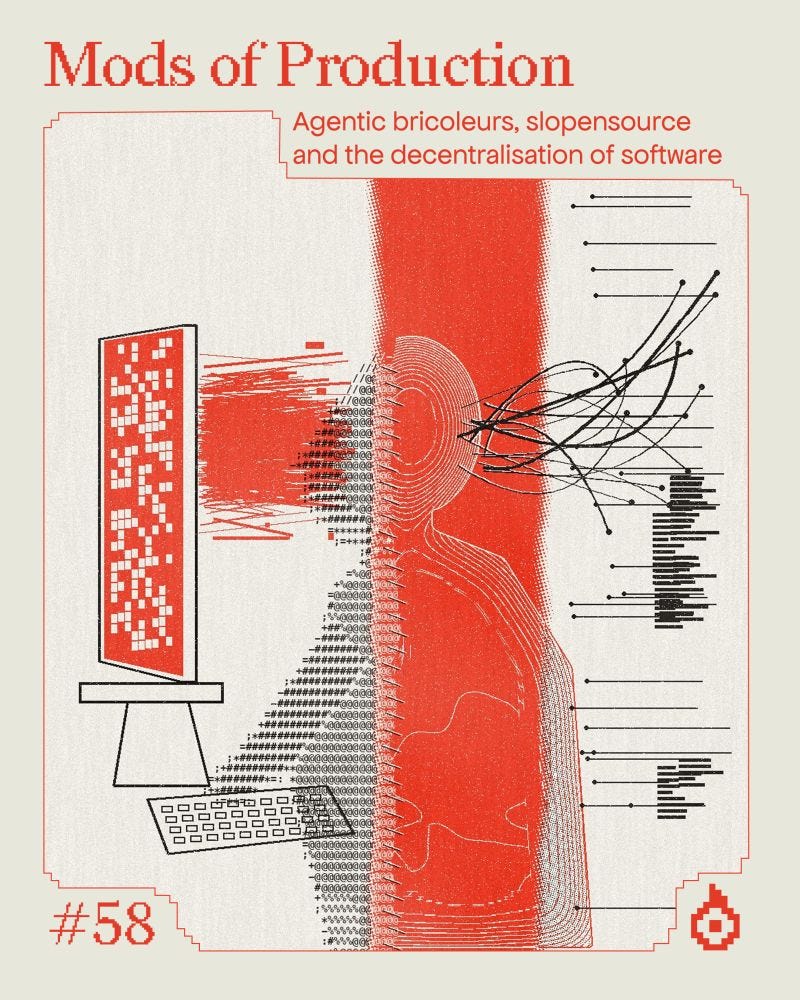
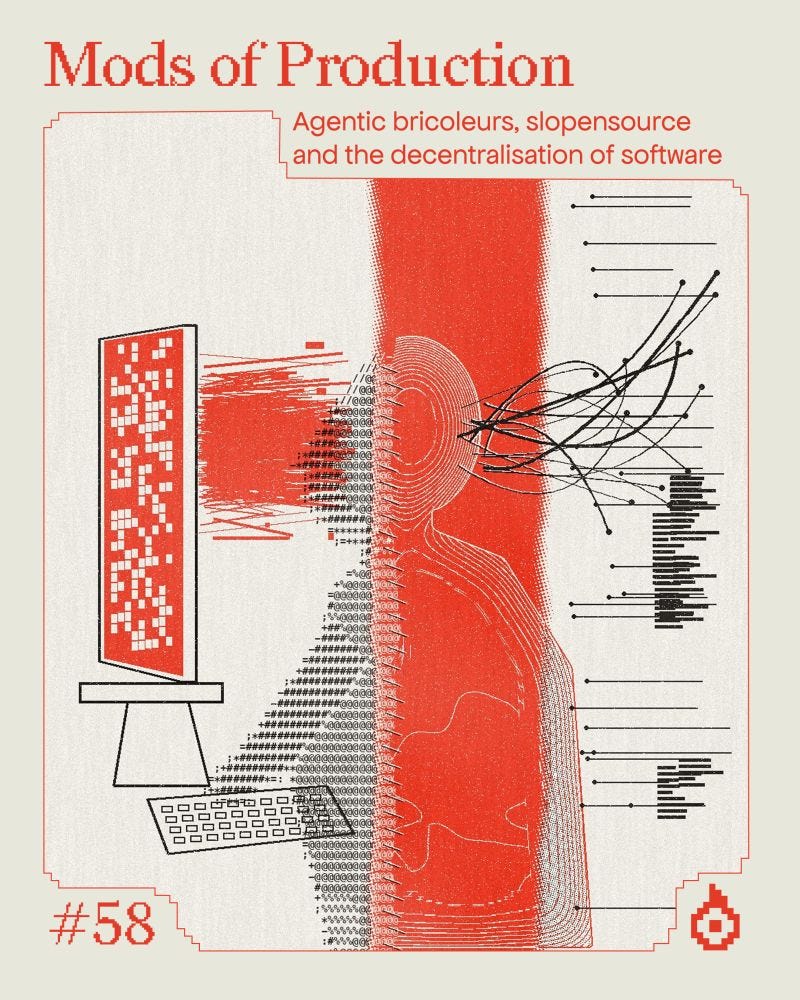
Mods of Production by my friend Alessandro Longo, for the Institute of Network Cultures. He sketches a figure he calls the agentic bricoleur, someone who builds situated software using AI agents even though they are not a trained developer. I like the idea that people can build tools for their own communities without a VC-style profit motive behind them. Of course this comes with its own set of contradictions around sustainability.
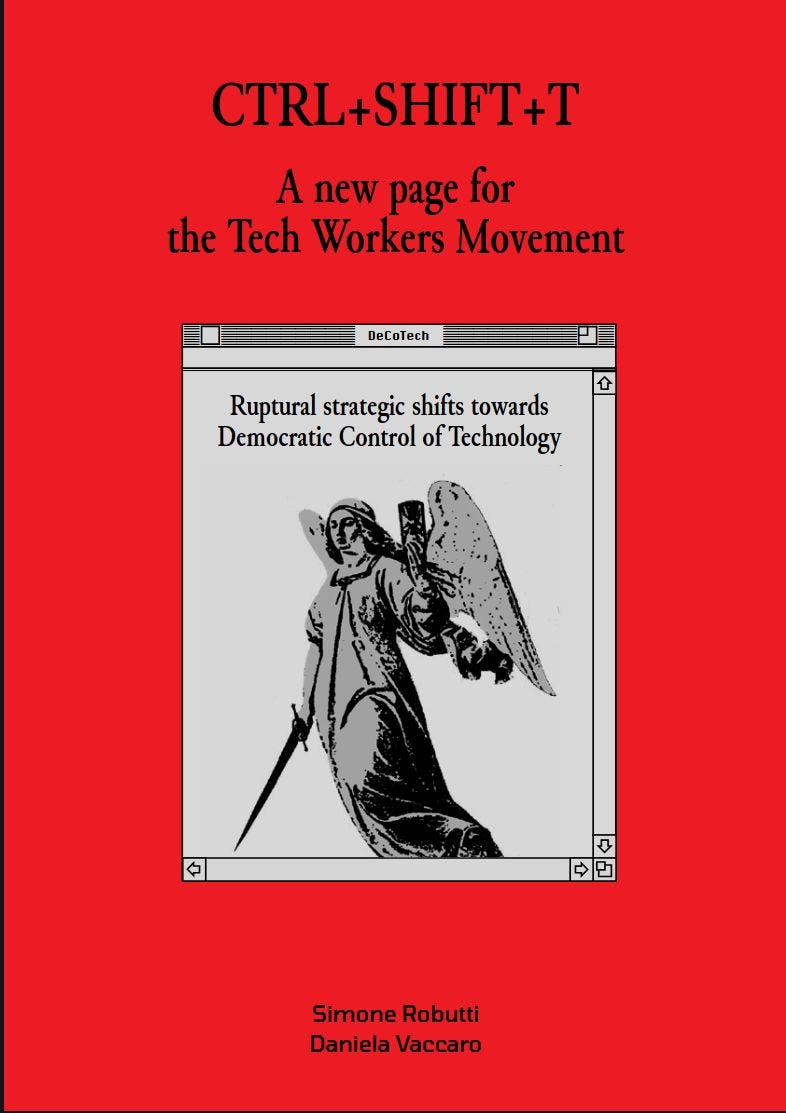
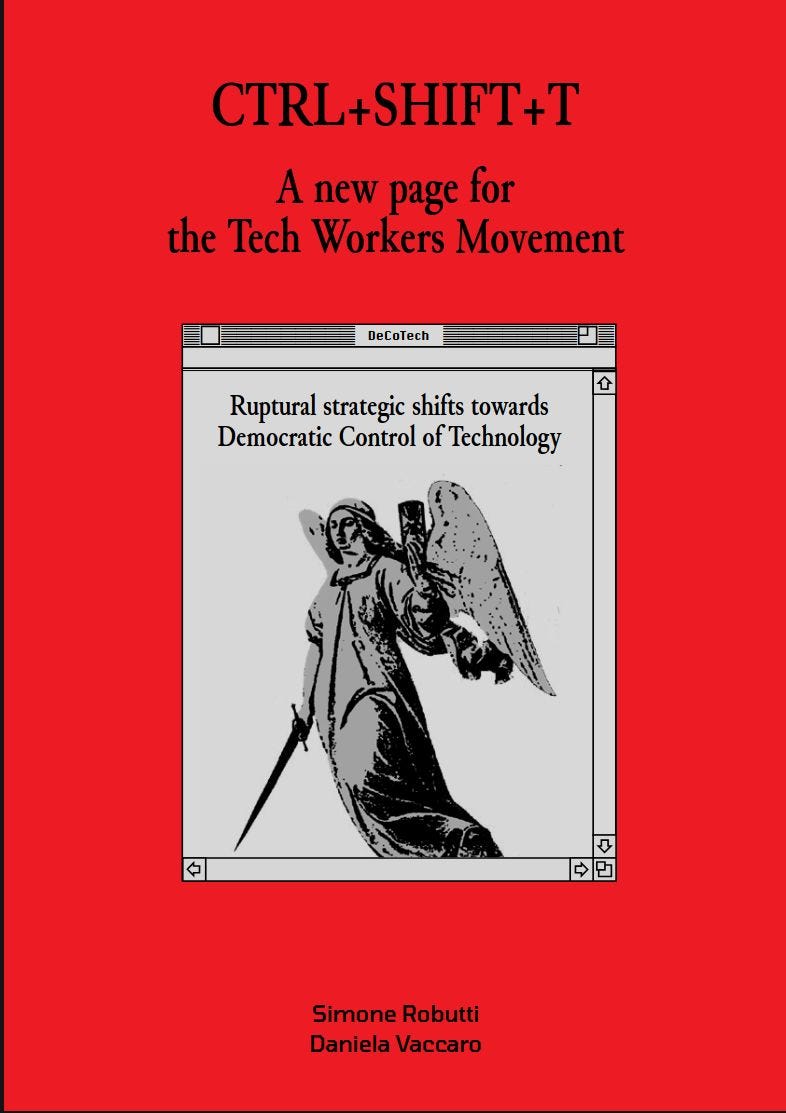
CTRL+SHIFT+T: A New Page for the Tech Workers Movement, a strategy paper by Simone Robutti of Tech Workers Coalition. He introduces DeCoTech, short for democratic control of technology, and lays out how the groups organizing tech workers could make it a shared goal. My interview with him comes out on the podcast in a couple of months.
Blood in the Machine by Brian Merchant, a history of the Luddites. Most people only know “Luddite” as an insult for someone who dislikes new technology, and I think more people should know the real story. After reading this I understand why people who couldn’t afford the basics of life started breaking the machines that replaced them.
The Doomscroll interview with Adolph Reed that just came out, a sharp conversation about race and class.
What I’m up to
My essay on sending crypto to Gaza is in Tendrils: Tech Workers Organizing in the End Times, a new zine from Tech Workers Coalition. It covers my experience and some practical tips for anyone trying to do the same.
Artizen, a matching-funds platform many artists and public goods projects relied on (Bread Coop included), shut down on October 5 without paying out promised matches. I built a prototype called Pastry to show it could run on-chain on the Bread stack, and Kevin Owocki has since posted a temp check on the Gitcoin forum for us to build it together.
I’ll be in Thailand for most of November for the Platform Cooperativism Consortium’s Solidarity AI conference, November 12 to 15 in Bangkok. I’ll be talking cooperative neobanks and solidarity finance in the age of AI.
What I’m keeping track of
Lula won Brazil’s runoff against Flávio Bolsonaro, and a lot of people are crediting WhatsApp. Congressman André Janones runs a channel called Exército do Lula (”Lula’s Army”) that grew from about 60,000 followers after the first round to almost 11 million by election day. He gave supporters small “missions,” like recruiting three friends or sharing campaign videos, so messages kept moving outward through people’s own group chats. Al Jazeera has a short video on how it worked. I’m curious what organizers in other places can take from it.
Taylor Lorenz tweeted recently about her frustrations with the left on AI, and I mostly agree with her. A lot of people who dislike AI end up defending copyright law. The left has a gap in its thinking here, because it hasn’t worked out what in copyright is worth defending. I don’t think the answer is simple though.

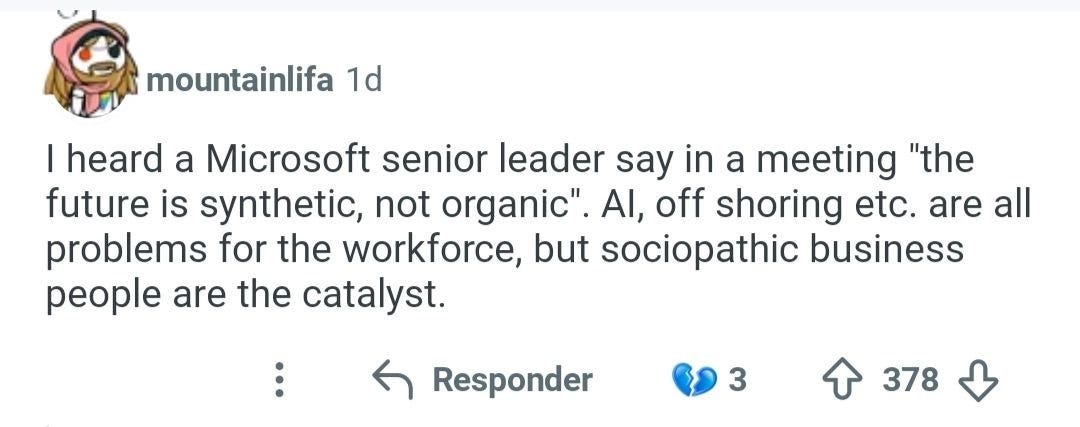
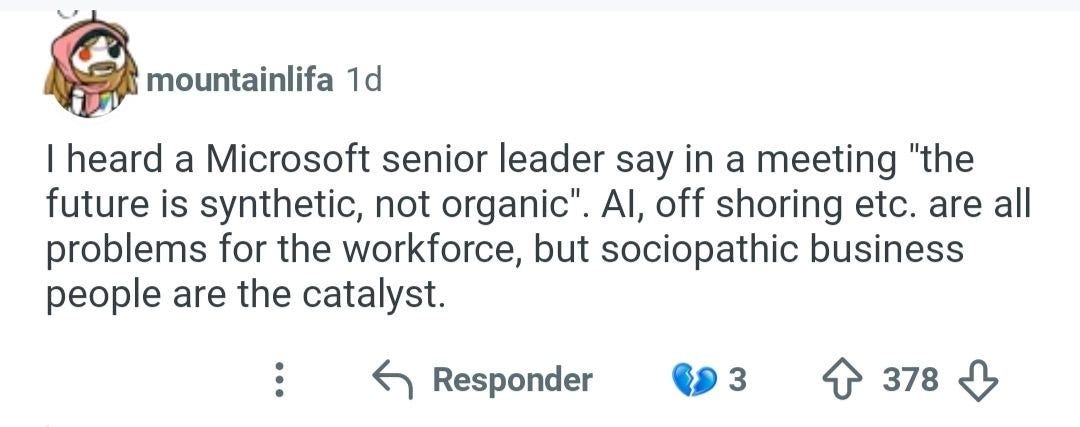
Microsoft cut 4,800 jobs last quarter, and this week it offered buyouts to up to 60,000 employees. I think it points to a hard employment environment ahead. AI is giving a lot of people capabilities they didn’t have before, like the agentic bricoleurs in Alessandro’s piece. It is also cheapening the labor of many software developers. These are workers near the top of the labor hierarchy, and I don’t see things getting better in the short term.

Events In Berlin
Shout out to the Foresight Institute’s Berlin node at CIC Berlin, which is where I’m recording the podcast. The node focuses on AI for science and safety and hosts events regularly. My friend Stephen Reid came by recently to talk about technological metamodernism, the subject of the book he’s writing. If you’re in Berlin, come to one of their events.
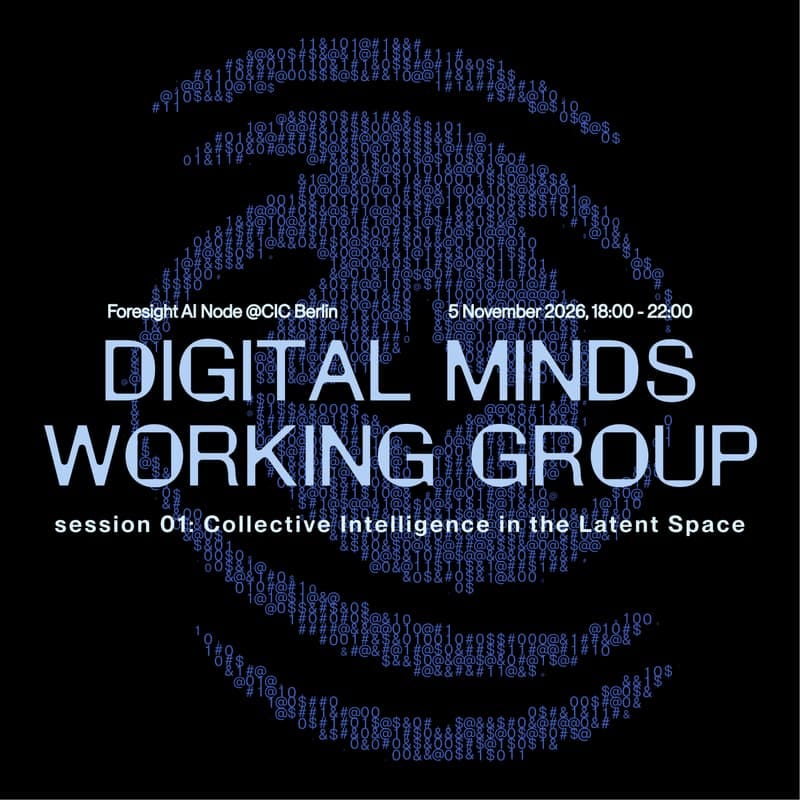
The Digital Minds Working Group holds its first meeting at the Foresight node on November 5th. It’s a new group for researchers, philosophers and curious people interested in computational consciousness and machine epistemics. The first session covers collective intelligence, with talks by Erik Bordeleau and Chris Dake-Outhet and a research review asking whether shared memory is a global workspace, which fits this newsletter’s name nicely.
Thanks for entering the J-Space.
Josh